
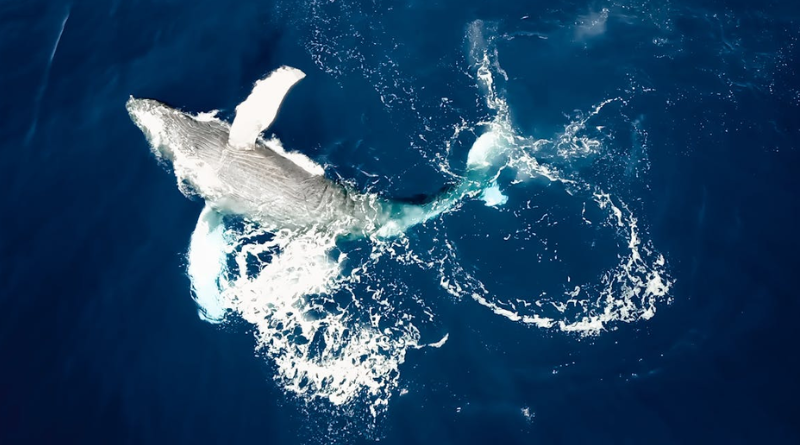
An Overview of the World’s Largest Animal, the Blue Whale
Why Is the Blue Whale So Huge?
Blue Whale Bitten in Half It’s important to realize how big these animals are before you start thinking about how terrible it would be to fight a blue whale. Blue whales may reach lengths of 100 feet and weights of 200 tons. They are able to control the waters due to their immense size, although certain predators also target them.
Structure of a Blue Whale
The morphological characteristics of the blue whale, such as its long, streamlined body, massive tail flukes, and baleen plates for filter feeding, are all made to be efficient in the water. They may weigh as much as an elephant, and their tongue alone can weigh as much as a small vehicle! Because of its enormous size, a blue whale is largely safe from minor marine dangers, but what about the bigger, more hazardous predators that lie in the deep?
The Blue Whale’s Predators Are Who?
The Only Threat Known to Exist Is Killer Whales
If a blue whale gets bitten in half, the killer whale, often called an orca, is most likely the offender. Even though killer whales are apex predators, they usually avoid attacking blue whales unless they are in a pod and cooperating. Though they have been known to attack young blue whales, orcas may sometimes defeat an adult if they work together well enough.
Imbalance in Marine Ecosystems and Its Risks
Attacking a blue whale would have detrimental effects on the ecology around the animal as well as the whale itself. The blue whale is an important component of the ocean’s nutrient cycle, and its demise, particularly in extreme situations, can have repercussions for the entire food chain.
Is It True That a Blue Whale Can Be Split in Two?
Knowing About Blue Whale Attacks by Orcas
Large animals can suffer significant harm at the hands of orcas. Their pointed fangs can cut through a whale’s thick muscle and fat. In severe situations, they may bite with such ferocity that the whale may suffer a fatal damage, maybe even having its body separated. But such a thing would be uncommon and more likely to happen in certain sensitive situations.
The Way Orcas Kill a Blue Whale
When a killer whale attacks a blue whale, it does it in a very planned and methodical way. They may launch a multifaceted attack, concentrating on the calf or an injured person. Because of the enormous force of their bites, orcas may inflict severe injuries. This may result in a lethal blow in certain circumstances. Note that a blue whale is not an easy target, and these assaults often occur when the whale is solitary or debilitated.
After a Blue Whale Is Killed, What Takes Place?
The Ocean’s Scavengers’ Feast
Whether killed by orcas or any other method, a blue whale provides a feast for a wide range of aquatic creatures. Deep-sea fish, sharks, and even tiny creatures like scavenging crabs profit from the whale’s carcass. Sometimes, a blue whale’s remnants may sustain an environment for years by supplying nutrients.
Blue Whale Deaths’ Effect on the Environment
Even though a blue whale’s death is terrible, the animal is important to ocean ecosystems. A wide range of animals feed on the remnants found in their corpses. But there may be further repercussions if these amazing animals disappear. Since blue whales are keystone species, the ecosystem cannot function properly without them. In their absence, changes in food chains and biodiversity may occur in the maritime environment.
The Structure of a Blue Whale Attack by a Killer Whale
Methods of Predation Used by Killer Whales
It is well known that killer whales are intelligent and cooperative. They may employ a number of techniques to bring down a blue whale, such as focusing on its weakest areas, such as its tail, flippers, and soft underside. Complex hunting strategies, such herding the whale or pursuing it for a long time until it is exhausted, are even possible for orcas.
The Chance of a Deadly Attack
A blue whale is more likely to be brought down by a killer whale if it is already weak or in bad condition, however this is uncommon. Because blue whales are so large, it is difficult for one killer whale to kill a healthy adult. However, if the whale is young or solitary, a well-coordinated pod of orcas might improve the likelihood of a successful assault.
Collisions and pollution are two more potential threats to blue whales’ human impact.
Blue whales are mostly preyed upon by killer whales, but humans have also put these gentle giants in grave danger. Blue whales are more vulnerable as a result of ship crashes, noise pollution, and climate change. These whales may become more vulnerable to injury or predation as a result of increased ocean temperatures and changing food supplies brought on by climate change.
Ocean pollution is a growing problem.
Another significant danger to blue whales is ocean pollution. Ocean pollution from chemicals, oil spills, and large volumes of plastic debris can cause entanglement, harmful material intake, and habitat disturbance. Because of these dangers, the whales become weaker and more susceptible to predator attacks.
How Can We Help Save Blue Whales?
Conserving Blue Whales via Conservation
It would take a lot of conservation work to shield blue whales from such dreadful incidents. International collaboration between governments and groups is aimed at preventing ship collisions, reducing ocean pollution, and safeguarding whale habitats. International accords such as the International Whaling Commission and hunting laws also contribute to the protection of blue whale populations.
Marine Reserves and Their Function
Blue whale conservation depends heavily on marine reserves. We can make sure that these whales have secure places to migrate, spawn, and feed without having to worry about predators or human intervention by creating protected zones with little human activity.
Conclusion: Blue Whales’ Precarious Position in a Changing World
A clear reminder of the dangers these giants endure, even at the vast and enigmatic depths of the ocean, is provided by the image of a blue whale being bitten in two by a predator. Their biggest danger is still killer whales, but environmental conditions and human activity are now having an impact. Blue whale protection necessitates a multipronged strategy that includes conservation initiatives, ocean pollution reduction, and the preservation of robust marine environments.
It is critical that we act as we gain more knowledge about these amazing animals and their environments in order to guarantee that blue whales continue to flourish in our waters for many years to come.
FAQS (Questions and Answers)
1. Can one orca kill a blue whale?
A solitary orca may sometimes attack a young or frail blue whale, but often a pod of orcas must work together to take down a mature adult.
2. Which additional animals pose a threat to blue whales?
The only natural predators of blue whales are orcas. However, human activities like pollution, ship strikes, and entanglement in fishing gear pose a hazard to them.
3. What is a blue whale’s lifespan?
Some blue whales may live up to 100 years, although most survive between 70 and 90.
4. How do whales consume food?
Blue whales filter a lot of plankton, krill, and tiny fish from the ocean using their baleen plates in order to eat.
5. Are the numbers of blue whales growing or shrinking?
The effects of human activity and climate change continue to threaten blue whale populations, which are still recovering from previous slaughter. The survival of these species depends on conservation initiatives.
 ENGRNEWSWIRE