
Developing Your Dragon Drawing Skills: A Complete Guide
Drawing:5z_boyjkm98= dragon dragons might seem like a difficult undertaking, with the right training and direction, you can produce amazing, realistic-looking, and detailed dragon pictures. This tutorial is intended to assist artists of all skill levels in mastering the complex technique of sketching dragons.
Overview of Drawing Dragons
The Enchantment of Dragons
People have been enthralled by dragons for ages. These legendary animals are renowned for their strong presence, and our affection for them has only grown as a result of reading about them in books and seeing movies about them. Artists from all around the world take great pleasure in illuminating these animals.
The Value of Studying Dragon Drawing
Gaining the ability to sketch drawing:5z_boyjkm98= dragon will challenge your imagination. You develop your knowledge of anatomy, shading, and texture in art in addition to exploring creative ideas.
Supplies You’ll Need: Basic Drawing Instruments
To start drawing your dragon, make sure you have the necessary supplies.
Charcoal and Pencils
You’ll need pencils with different levels of hardness, from mild to hard , to draw a detailed dragon. Sticks of charcoal may assist give your artwork depth and contrast.
Sketchbooks and Paper
The ideal paper to use for sketching detailed dragons is smooth, thick paper. Thick sketch pads will guarantee that your pencil lines and shading are easily visible.
Extra Tools to Provide Depth
Use blending tools like tortillons and kneaded erasers if you’re ready to take your drawing:5z_boyjkm98= dragon to the next level. These will make it easier for you to mix and shade.
Knowing the Anatomy of Dragons
Examining Living Beings
Despite being fantastical, drawing:5z_boyjkm98= dragon anatomies sometimes borrow features from genuine animals like birds, reptiles, and even bats. You may better grasp how to structure your dragon by studying these creatures.
Dissecting the Features of Dragon
It’s important to draw a dragon by breaking it up into smaller, more manageable portions.
Structure of a Dragon Head
The most detailed feature of a dragon is usually its head, which has long snouts, sharp fangs, and horns. Draw the head’s general outline first, then concentrate on adding features like the jaw and eyes.
Dynamics of the Wings and Tail
A thin membrane connects the outstretched fingers of a drawing:5z_boyjkm98= dragon , which resemble those of a bat. Depending on your design, the tail can be short and smooth or long and spiky. It provides balance.
Textures and Scales
Although they might be difficult to design, dragon scales give your painting a lot of detail. For uniformity, mark out the space where the scales will go before adding them.
A Comprehensive Guide on Sketching the Fundamental Outline of a Dragon
Start using basic forms to create the dragon’s body outline. For the head and body, use ovals, and for the wings and tail, use lines.
Establishing the Dragon’s Position
Is your dragon going to roar, sit, or fly? Prior to getting into the specifics, choose the stance. An intriguing drawing:5z_boyjkm98= dragon can be enhanced by a dynamic stance.
Enhancing the Dragon’s Head with Details
After creating the outline, concentrate on perfecting the dragon’s head. Make sure the horns or spikes are balanced, and add crisp, angular lines for the eyes and nose.
Sketching the Limbs and Body of the Dragon
Take note of the body’s and the limbs’ proportions. Large, muscular bodies and strong, clawed legs are common features of dragons.
Including the Wings and Tail The wings and tail should now be drawn. Make sure the tail flows organically from the spine and maintain the wings in proportion to the body.
Putting the finishing touches to the design
Now that the primary framework is finished, go over the drawing:5z_boyjkm98= dragon and add details such as the wing textures, scales, and any other characteristics like flame effects or spikes.
Ways to Improve Your Dragon drawing:5z_boyjkm98= dragon: Using Shading Techniques for Depth: In dragon drawings, shading is essential, particularly to highlight the scales and give the creature a three-dimensional appearance. For depth, use gentle, light shading; for contrast, use darker, more intense shading.
Giving Scales Texture
Play around with the dragon’s scale texture. Large, rough scales imply a more powerful, old dragon, whereas smaller, denser scales offer a sleek appearance.
Using Line Work to Improve Movement
If your dragon is flying, indicate movement with curving lines. Strong, straight lines might increase the creature’s strength in a static stance.
Typical Errors and How to Prevent Them
Out-of-Proportion Anatomy
Erroneous proportions are a frequent error made while sketching dragons. Make sure the body, wings, and head are all positioned correctly in respect to one another.
Overly Intricate Specifics
Your drawing:5z_boyjkm98= dragon may get overly complicated. Pay attention to important details like the head and wings while leaving other parts more basic.
Trying Out Different Dragon Variations
Sketching Western and Eastern Dragons
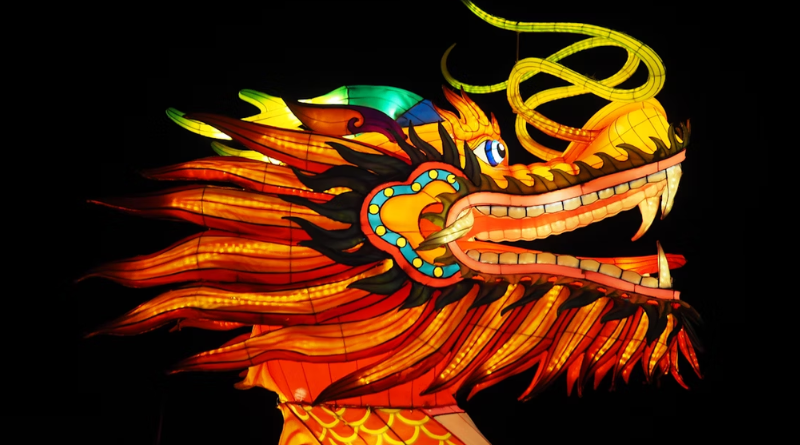
Whereas Western dragons are frequently more scaly and menacing, Eastern dragons are typically more sinuous and magical. Try out both approaches to see which is your preference.
Dragon Features Inspired by Fantasy
You may play around with the characteristics of your dragon. Give your dragon more limbs, heads, or elemental abilities, such as ice or fire.
Put Some Color in Your Dragon
Selecting a Color Scheme
Your dragon may be changed by its color scheme. For a dragon that breathes fire, use vivid reds and oranges; for a more ethereal monster, use calm blues and purples.
Blending Methods for an Expert Appearance
When changing colors, especially on the wings and scales, use gentle blending methods.
Last Minute Details to Finish Your Dragon: Adding Shadows and Highlights
Put highlights on the scales and wings in the right places to give your dragon a polished, expert appearance. Shadows will give the entire drawing:5z_boyjkm98= dragon more dimension.
refining the little things
Make one final pass over your design to ensure that all the little details, such as the claws’ sharpness and the texture of the scales, are just right.
Putting Your Dragon Painting on Display: Presentation and Framing
After you’ve finished sketching your dragon, you might want to frame it to showcase your efforts.
Distributing Your Art Online
Remember to post your work on social media or in online art communities so that other artists and fans may comment on it.
Conclusion
It takes time and effort to become an expert dragon drawer, but with the appropriate methods and perseverance, you can produce beautiful artwork that perfectly conveys the spirit of these magnificent animals.
 ENGRNEWSWIRE