
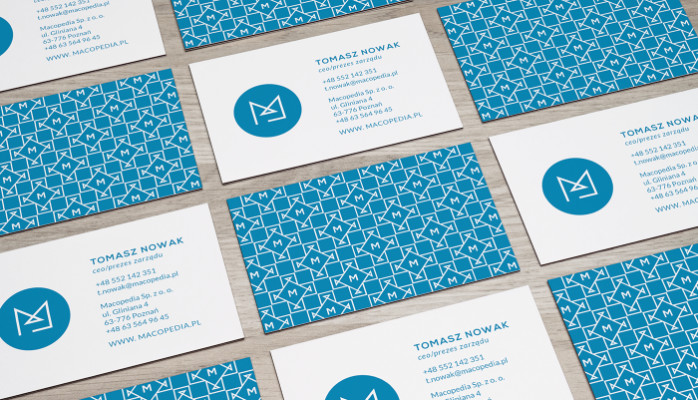
In the realm of professional networking, first impressions are paramount. A single encounter can pave the way for opportunities and partnerships that can profoundly influence the trajectory of one’s career or enterprise. Against the backdrop of digital communications, the significance of tangible personal branding tools remains undiminished. Among these, the classic business card reigns supreme. Despite the advent of digital alternatives, the utility of a professionally printed business card continues to hold sway in the business world.
Understanding the Impact of Business Cards
Business cards serve as a physical representation of one’s professional identity and capabilities. They are not merely a means of sharing contact information; they encapsulate a person’s professional persona and reflect the image of their company. A well-crafted business card can speak volumes, often contributing to the retention of one’s professional identity in the minds of recipients.
Moreover, the exchange of business cards is a ritual embedded in corporate culture across the globe, often marking the beginning of a formal business relationship. In many cultures, the way one handles and offers their card can also be a gesture of respect, which adds to the overall first impression an individual creates.
The Merits of Professional Business Card Printing
While the option for do-it-yourself card printing exists, engaging in professional business card printing services can significantly influence the effectiveness of your business card. High-quality printing can enhance the card’s design, texture, and overall aesthetic, ensuring that it stands out and resonates with the receiver.
Professional business card printers employ advanced technology and materials that lend a sophisticated touch to the final product. This can range from luxury paper stocks to unique finishes, such as matte, gloss, or embossed textures. By opting for professional printing services, business professionals can take advantage of these benefits to create a card that truly captures their brand’s essence.
Design Considerations for Effective Business Cards
When it comes to the design of business cards, several elements require careful consideration to maximise their impact. The choice of colour, typography, and imagery must align with the individual’s or company’s branding strategy. It should be visually appealing while still easy to read and professional in appearance.
Furthermore, the design should account for cultural perspectives and potential international engagements. Subtleties in colour meanings, imagery connotations, and even card size can affect how the card—and by extension, the professional—are perceived.
Space allocation is another critical factor. While it may be tempting to include as much information as possible, a cluttered card is counterproductive. The inclusion of essential details, such as name, title, company, contact information, and possibly a company logo or tagline, usually suffices.
Consistency in Branding
A coherent branding strategy extends to business cards which should complement other branded materials like letterheads, brochures, and digital platforms. Consistency reinforces brand recognition and serves as a form of passive marketing; the card becomes not only a networking tool but also a branding asset.
The Hidden Language of Business Cards
The subtleties of business cards extend beyond their visual motifs. The weight, texture, and even the sound of the paper when flicked can deliver a non-verbal message about a company’s status and attention to detail. Choices in paper quality and printing techniques can unconsciously influence opinions long after the initial handshake has been exchanged.
Environmental Considerations
In an era of increasing environmental consciousness, the sustainability of business cards can also be a point of consideration. Options such as recyclable materials or eco-friendly inks are available and can serve as conversation starters, showcasing a commitment to ecological responsibility.
The Cost-Benefit Analysis
Investing in professional business card printing may initially seem like an added expense, particularly for small business owners or freelancers. However, the return on such an investment, in terms of networking outcomes and brand perception, often justifies the cost. A high-quality business card can potentially open doors to new business, making it an invaluable tool for any professional.
In conclusion, the business card is far more than a simple piece of cardstock. It is a strategic tool that can carry significant weight in professional settings. Superior design coupled with professional business card printing are fundamental to harnessing the full power of this tool, ensuring that the first impression made is both memorable and favourable. As networking continues to evolve, the enduring appeal of the business card remains a testament to its efficacy and importance in facilitating connections and building professional relationships.
 Edward