


Introduction to Chameleónovité
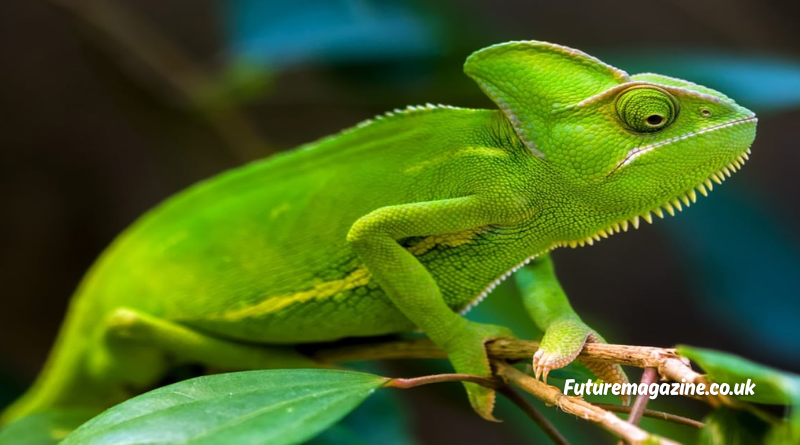
Chameleons, belonging to the family Chameleónovité, represent one of the most fascinating groups in the reptile kingdom. Their remarkable adaptations, extraordinary physical traits, and intricate behaviors have intrigued scientists, nature enthusiasts, and wildlife photographers for decades. These creatures are often regarded as the ultimate masters of camouflage, demonstrating a blend of evolutionary ingenuity and environmental adaptation.
The term Chameleónovité specifically refers to the unique family of lizards characterized by zygodactylous feet, prehensile tails, independently moving eyes, and the most recognized feature—the ability to change skin color. While chameleons are primarily found in Africa, Madagascar, and parts of Asia and Europe, their diversity and specialization continue to inspire research and conservation efforts worldwide.
What Makes Chameleons Unique?
Chameleons are not just reptiles; they are living examples of evolutionary specialization. Their unique combination of physical and behavioral traits enables them to survive in a wide range of habitats, from dense rainforests to arid savannas. Unlike other reptiles, chameleons rely heavily on visual signals for communication, territorial defense, and mating, highlighting their sophisticated neurological and physiological adaptations.
Evolutionary Significance
Chameleons have existed for millions of years, with fossil evidence dating back to the Paleogene period. Their evolutionary journey illustrates the significance of specialized adaptations in ensuring survival. Features like color-changing skin, elongated tongues, and highly mobile eyes reflect a complex interplay of environmental pressures and genetic evolution.
Physical Adaptations of Chameleons
Chameleons exhibit some of the most striking physical adaptations in the animal kingdom. Each feature contributes to their survival, feeding efficiency, and reproductive success.
Color Changing Abilities
Perhaps the most famous feature of chameleons is their ability to change skin color. Contrary to popular belief, this ability is not solely for camouflage. Chameleons change color for:
- Thermoregulation: Darker colors absorb heat, while lighter colors reflect sunlight.
- Communication: Color signals indicate mood, mating readiness, or aggression.
- Camouflage: To evade predators or ambush prey.
This color change is facilitated by specialized pigment cells called chromatophores, which contain different pigments and reflect light in intricate patterns.
Eye and Tongue Mechanics
Chameleons’ eyes are another evolutionary marvel. Each eye can move independently, providing a 360-degree field of vision. This unique feature allows chameleons to detect predators and prey simultaneously without moving their bodies.
Equally impressive is the projectile tongue, which can extend up to twice the length of the chameleon’s body in a fraction of a second. Equipped with a sticky tip, it ensures efficient prey capture, often with remarkable accuracy.
Camouflage and Survival Techniques
Beyond color change, chameleons employ behavioral camouflage. By remaining motionless and blending with their surroundings, they minimize detection. Their slow, swaying movements mimic leaves in the wind, adding another layer of protection against predators.
Behavioral Patterns of Chameleons
Chameleons are not just visually remarkable; their behaviors demonstrate intelligence and complex survival strategies.
Hunting and Feeding Habits
Chameleons are predominantly insectivorous, feeding on insects such as crickets, flies, and grasshoppers. Larger species may occasionally consume small birds or reptiles. Using a combination of stealth, precision, and a projectile tongue, they can capture prey from a distance with minimal movement.
Mating and Reproduction
Mating rituals in chameleons are fascinating and visually striking. Males often display vibrant colors to attract females or intimidate rivals. Courtship involves a combination of body postures, color displays, and slow movements. Females lay eggs in soil or sand, depending on the species, and the incubation period can vary from several weeks to months.
Territory and Communication
Chameleons are largely solitary animals. Males are territorial and use visual signals to ward off intruders. Head bobbing, color changes, and body inflation are common methods of establishing dominance without engaging in physical conflict.
Chameleon Habitats Around the World
Chameleons inhabit diverse environments, each requiring unique adaptations.
African Species
Africa, particularly Madagascar, is home to the highest diversity of chameleons. The Panther Chameleon (Furcifer pardalis) is notable for its vibrant colors, which vary by region and habitat. African chameleons are highly adapted to forested areas, savannas, and mountainous regions.
Madagascar Species
Madagascar is often referred to as the “chameleon capital of the world.” Over half of all chameleon species are endemic to this island. The tiny Brookesia species, for example, are masters of ground-level camouflage, blending seamlessly with leaf litter.
Exotic Species in Other Regions
Chameleons have also been introduced to regions like the Middle East and Europe, though these populations are limited. They adapt to urban gardens, parks, and semi-arid areas, demonstrating remarkable ecological flexibility.
Conservation Status and Threats
Despite their adaptability, chameleons face significant threats:
- Habitat Destruction: Deforestation, agriculture, and urban expansion reduce natural habitats.
- Climate Change: Altered temperatures affect breeding cycles and survival rates.
- Pet Trade: Illegal collection for exotic pet markets depletes wild populations.
Conservation efforts include protected reserves, breeding programs, and habitat restoration. Awareness campaigns also play a crucial role in promoting sustainable interactions with wildlife.
Fun Facts About Chameleónovité
- Record-Holding Species: The Parson’s Chameleon is among the largest, growing up to 68 cm.
- Lifespan Variations: Smaller species may live 2-3 years, while larger species can live over a decade.
- Silent Communicators: Chameleons primarily rely on color and body movement rather than vocalizations.
- Temperature Sensitive: Many species adjust their activity levels based on environmental temperature, making them highly sensitive to climate changes.
Conclusion
Chameleons, or Chameleónovité, are more than just visually captivating reptiles—they are living symbols of evolutionary brilliance. From their color-changing abilities to complex behavioral patterns, each aspect of their life is a testament to the power of adaptation. Understanding and protecting these extraordinary creatures is essential not only for biodiversity but also for maintaining ecological balance.
Their unique combination of physical traits, behavioral sophistication, and environmental adaptations ensures that chameleons remain among the most fascinating reptiles on the planet. By promoting awareness and conservation, we can ensure that future generations continue to marvel at the extraordinary lives of Chameleónovité.