


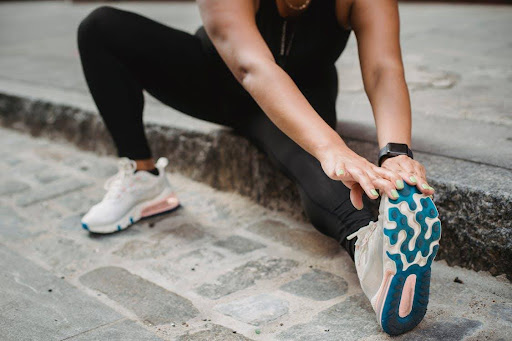
Staying active is one of the best ways to support your health and well-being, no matter your age. Regular physical activity helps improve strength, boost energy, and enhance mood. For women, finding the right fitness routine can help address the unique challenges that come with different stages of life, from maintaining bone health to managing stress.
Fitness doesn’t have to mean spending hours at the gym or following complicated workout routines. The key is to find activities you enjoy and adapt them to your goals and lifestyle. Whether you’re just starting out or looking for new ways to stay active, these tips can help you make movement a consistent part of your life.
Finding the Right Workout for Your Age and Lifestyle
Your fitness goals may change over time, and that’s okay. What works for you in your 20s might not be the same as what your body needs in your 50s. The most important thing is to choose activities that align with your current capabilities and goals.
For younger women, this might mean focusing on building strength and endurance through high-energy workouts like weightlifting or running. As women age, low-impact exercises like swimming can help maintain joint health and flexibility.
Consider your daily schedule and preferences when deciding on a workout plan. Short sessions that fit into your routine are more sustainable than lengthy, complicated regimens. Listening to your body is just as important—don’t push too hard or ignore the need for rest and recovery.
Exploring New Activities to Stay Engaged
Trying new activities is a great way to keep fitness fun and exciting. Adding variety helps prevent boredom and also challenges your body in new ways, leading to improved overall fitness.
One popular activity gaining traction among women is boxing. Is boxing good for females? Absolutely. Boxing is a full-body workout that builds strength, improves endurance, and boosts confidence. It’s also a fantastic stress reliever, helping to clear the mind while providing a serious calorie burn.
The beauty of boxing lies in its adaptability. Beginners can start with basic movements like shadowboxing or light bag work, while those with more experience can progress to sparring or higher-intensity drills. With its mix of cardio and strength elements, boxing offers something for everyone.
Including boxing or similar activities in your routine can bring a sense of empowerment and accomplishment. Exploring such options keeps you motivated and looking forward to workouts.
Building Strength and Endurance Safely
Strength and endurance are essential components of a well-rounded fitness routine. Strength training helps build muscle, protect bones, and improve metabolism, while endurance exercises enhance heart health and energy levels.
Start with bodyweight exercises like planks, push-ups, and squats if you’re new to strength training.
Resistance bands and light weights can add variety without overwhelming your muscles. For cardio, activities like brisk walking, cycling, or swimming are excellent ways to increase endurance without overstraining your joints.
Remember to prioritize proper form during strength exercises to avoid injuries. Begin with shorter sessions and gradually increase intensity or duration as your fitness improves. Strength and endurance workouts don’t have to be complicated—what matters most is consistency and listening to your body.
Incorporating Flexibility and Balance Workouts
Flexibility and balance are often overlooked but are vital for overall fitness, especially as women age. Stretching and balance exercises improve posture, reduce the risk of injury, and enhance mobility.
Yoga and Pilates are popular choices that offer both flexibility and balance benefits. These practices focus on controlled movements and breathing techniques, promoting relaxation while building core strength. For those new to yoga, beginner-friendly poses like child’s pose or cat-cow stretches are a good place to start.
Adding a few minutes of stretching or balance work to your routine can make a significant difference in how your body feels and moves throughout the day. It’s an easy way to support long-term fitness while staying active and mobile.
Staying Consistent with Realistic Goals
Consistency is the foundation of any successful fitness plan. To build lasting habits, set goals that are achievable and tailored to your lifestyle. Starting small is better than attempting drastic changes that feel overwhelming.
For example, commit to a daily 15-minute walk instead of aiming for an hour-long workout every day. Once the shorter activity becomes a habit, you can gradually increase the duration or intensity. This step-by-step approach helps you build confidence and maintain motivation.
Tracking progress is another way to stay consistent. Keep a fitness journal, use an app, or mark completed workouts on a calendar. Seeing how far you’ve come reinforces your commitment and provides a sense of accomplishment.
Be flexible with your routine when life gets busy. Even if you can’t complete a full workout, fitting in a quick session or stretching keeps you on track. Consistency doesn’t mean perfection—it’s about making regular effort, no matter the circumstances.
Celebrating Progress and Staying Inspired
Recognizing milestones and celebrating achievements is an important part of staying motivated. Progress doesn’t have to be measured by weight loss or visible changes—improvements in energy levels, flexibility, or even mood are worth acknowledging.
Celebrate your commitment to your routine by treating yourself. Consider getting a new workout outfit, indulging in a soothing spa day, or taking a moment to appreciate the progress you’ve made. These small rewards help maintain enthusiasm and reinforce positive habits.
Finding inspiration in others is another way to stay motivated. Whether it’s a friend’s fitness journey, a role model’s success, or a supportive community, surrounding yourself with encouragement can help you push through challenges.
Finally, remember that fitness is a personal journey. Progress looks different for everyone, and comparing yourself to others can lead to frustration. Focus on what works for you and celebrate your unique path to staying active.
Staying active at any age is about finding joy in movement and adapting your routine to your needs. By incorporating social activities, setting realistic goals, and celebrating progress, you can make fitness a fulfilling part of your life.
Your journey doesn’t have to be perfect or rigid. What matters most is making a consistent effort to care for your body and mind. With these strategies, you can stay active, healthy, and inspired throughout all stages of life.