


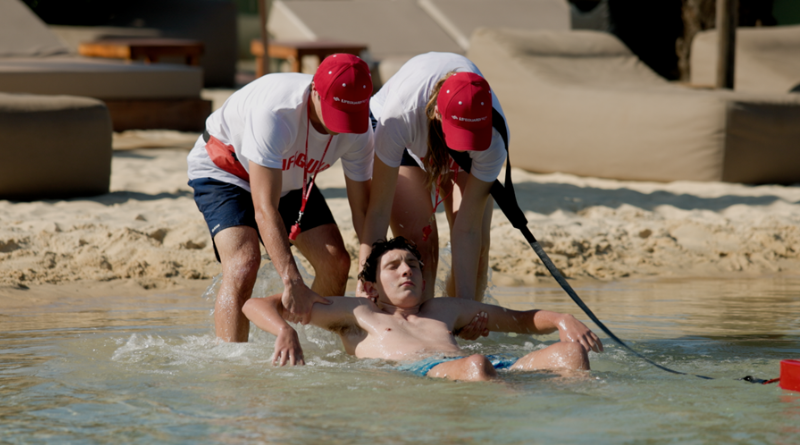
Water safety is a vital part of maintaining a solid and pleasant environment at aquatic facilities, for example, swimming pools, water parks, and aquatic centers. Preventing accidents and guaranteeing the prosperity of all visitors requires a blend of satisfactory preparation, staff training, and the implementation of safety measures.
In this article, we explore significant systems to improve water safety, advancing a more secure experience for every individual who utilizes these facilities.
Implement Comprehensive Safety Protocols
The first move toward further developing water safety at aquatic facilities is laying out clear and comprehensive safety protocols. These rules should cover everything from routine support of the facility to emergency methodology. To maintain consistency, aquatic facility managers should develop a safety manual, including:
- Regular inspections of the pool and encompassing areas
- Severe guidelines for conduct in and around the water
- Very much stamped depths and “No Diving” areas
- Clear signage that imparts safety rules and admonitions to all visitors
Additionally, these protocols should be often explored and refreshed in view of any episodes or feedback from staff and visitors.
Lifeguard training: The Cornerstone of Water Safety
Lifeguards are the cutting edge of guard at any aquatic facility. Giving lifeguards progressed training is basic to preventing accidents and answering rapidly when emergencies happen. Lifeguard training outfits people with fundamental skills, for example, CPR, water rescue techniques, and first aid.
Past essential American lifeguard training, high level courses that show specialized skills (like managing huge groups, managing spinal injuries, or utilizing automated external defibrillators) should likewise be encouraged. Regular supplemental classes are vital for maintaining a high degree of readiness among lifeguards, guaranteeing they are constantly ready to act unequivocally in the event of an emergency.
For those searching for potential chances to upgrade their skills, a fast online search for “lifeguard training near me” can prompt different programs intended to elevate water safety information.
Enforce Swimmer Supervision and Assigned Swim Zones
A powerful method for limiting risks at aquatic facilities is to enforce swimmer supervision, especially for children and inexperienced swimmers. Making assigned swim zones in light of age and swimming ability guarantees that everybody is swimming in areas suitable for their skill level.
For example, a shallow end or wading pool can be saved for small kids, while additional experienced swimmers can utilize deeper areas. Lifeguards should stay watchful in observing these zones, and staff should convey rules and assumptions to parents and watchmen about their responsibility to oversee youthful swimmers effectively.
Safety Equipment and Poolside Readiness
Furnishing aquatic facilities with the legitimate safety gear is vital for preventing accidents and answering successfully when they happen. All facilities should be supplied with:
- Rescue cylinders and arriving at posts
- Lifebuoys and life jackets
- First aid kits
- Computerized external defibrillators (AEDs)
Regularly checking and maintaining this equipment guarantees it’s dependably utilitarian and prepared for use. Furthermore, facilities should put resources into pool cautions, which can identify aggravations in the water, giving an additional layer of safety, particularly when lifeguards are occupied with swarm control.
Promote Water Safety Education for Visitors
Instructing visitors about water safety can altogether affect reducing accidents. Aquatic facilities should offer water safety mindfulness programs, giving data about safe swimming practices, the significance of not running near the pool, and what to do in the event of an emergency.
Signage around the pool can act as consistent tokens of key standards, while intuitive studios and safety drills for the two children and grown-ups can impart a proactive safety mentality. Water safety education shouldn’t stop with swimmers — parents and guardians should likewise be taught about their role in preventing episodes.
Maintain Facility Hygiene and Water Quality
Unfortunate water quality can expand the risk of waterborne ailments, presenting serious health risks to swimmers. Maintaining appropriate synthetic levels in the water, including regular testing of chlorine and pH levels, is fundamental for guarding the pool environment. Satisfactory filtration frameworks should be set up, and the pool’s water should be regularly cleaned to guarantee the expulsion of foreign substances like garbage, green growth, and microorganisms.
Besides, upholding shower rules for swimmers before entering the pool can assist with keeping the water clean, reducing the transmission of microbes and infections.
Encourage Communication Among Staff and Swimmers
Communication is key in maintaining a protected aquatic environment. Lifeguards and staff should be agreeable and clear in giving directions or admonitions to swimmers. Implementing a whistle or banner framework that conveys different levels of cautions can rapidly impart significant data to pool clients.
Regular safety meetings among staff can likewise guarantee that everybody is in total agreement with respect to emergency protocols, while encouraging a culture of open communication among visitors can prompt faster identification of expected hazards.
Partner with the American Lifeguard Association
One of the most amazing ways of guaranteeing that your aquatic facility maintains high safety standards is by partnering with associations like the American Lifeguard Association. This association gives important assets, certification programs, and American lifeguard training and certification that meet public standards. Teaming up with specialists can guarantee your staff is in the know regarding the most recent safety rehearses and approaches continuing education open doors.
By stressing lifeguard training, equipment readiness, water quality upkeep, and compelling communication, aquatic facilities can radically lessen risks and guarantee a protected, charming environment for all visitors.
Guaranteeing the prosperity of all swimmers requires ingenuity, yet the prize is a protected space where individuals can partake in the water without stress. For those keen on propelling their skills or implementing better safety measures, a fast search for “lifeguard training near me” will interface you to the assets you really want.