
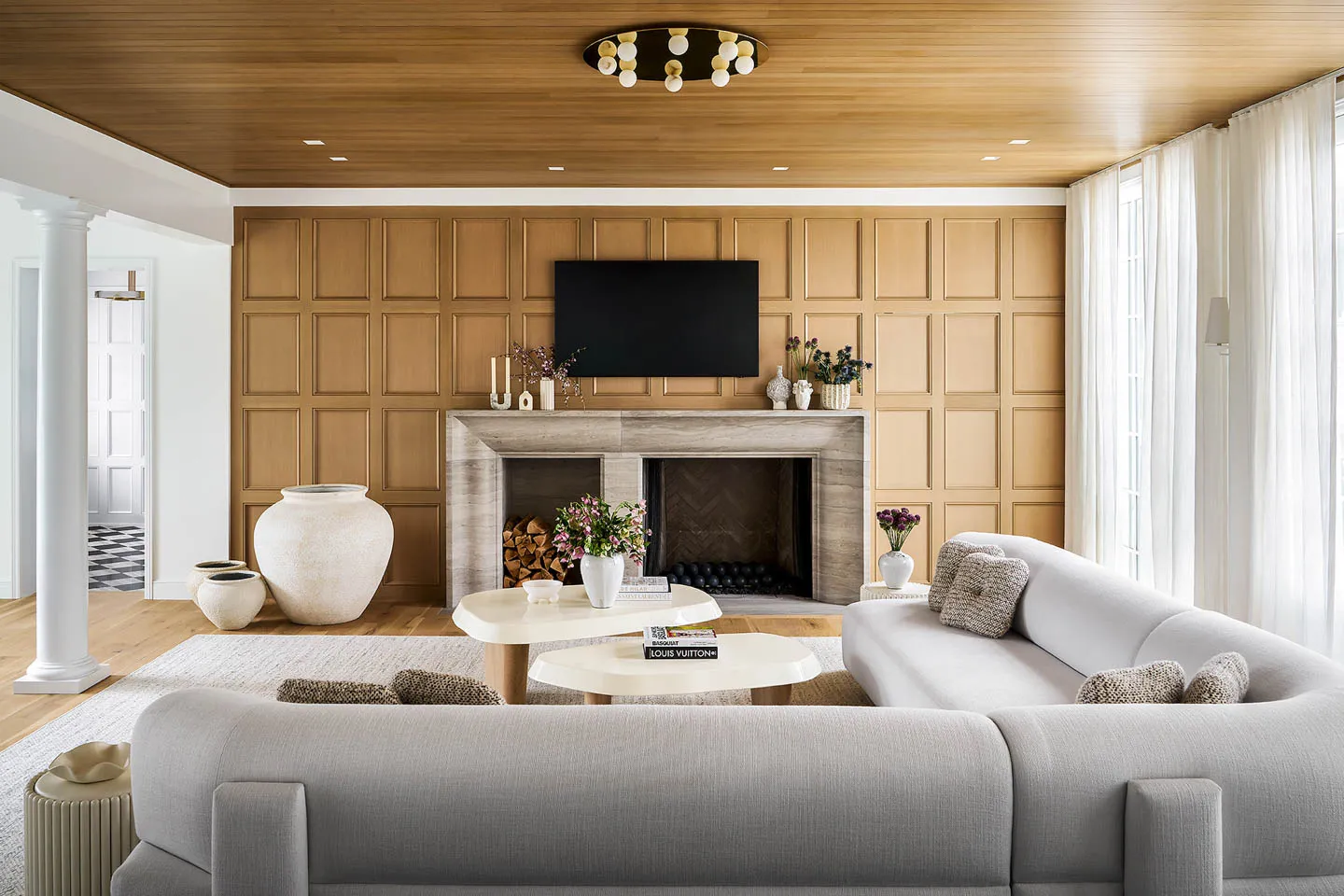
Elegant Interior Solutions
Elegance in interior design is rarely about the loud or the flashy. It’s often about the subtle combination of form, material, light and proportion—the quiet confidence of a space that feels considered and curated. One of the refined tools in the designer’s palette is the use of fluted real-wood veneered panels. From reception lobbies to upscale homes, these surfaces deliver an understated drama: textured yet refined, natural yet architectural. In the following discussion, we’ll examine how to achieve truly elegant interior solutions using fluted real wood veneered panels and complementary strategies.
Defining elegance
In interiors, “elegant” means purposeful minimalism, fine materials and a clear sense of hierarchy. Rather than visual clutter, elegance focuses on restraint, good proportions, and surfaces that hold interest without overwhelming the user. A good analogy: imagine a tailored suit rather than a flamboyant costume. Every element is curated for impact.
Fluted veneer panels fit beautifully into that world: they are not overly ornate, but they add depth and character. The linear grooves provide rhythm and shadow; the real wood veneer gives texture and warmth. The result is a surface that whispers luxury, rather than shouts it.
The fluted veneer advantage
When we speak of fluted real wood veneered panels, we refer to panels where real wood veneer has been applied onto a substrate and then surfaced with linear flutes (grooves) creating a tactile profile. These panels allow a designer to combine architectural scale (walls, ceilings) with fine texture. For example, a product catalog describes fluted veneer panels as “bringing elegance and texture … crafted to perfection creating timeless aesthetics for your interiors.” Another source highlights that these panels can wrap around curved forms and deliver consistent rhythm.
In an elegant interior, such panels can serve as a backdrop or a unifying material across multiple surfaces, giving coherence without monotony. Because the veneer is real wood, it has natural grain variation and warmth; because the flute profiling adds dimension, the surface remains dynamic without appearing overly decorative.
Implementing elegant solutions
Here are strategies to apply fluted veneer panels for an elegant result:
- Use full‑height cladding
In a reception lobby or living room wall, carrying fluted veneer panels from floor to ceiling removes the visual interruption of trim or breaks. The vertical grooves enhance height and flow. When the panels are of the same width/pattern across adjacent walls, the space feels expansive and unified.
- Monochromatic material story
Elegance often comes from restraint. Choose wood tones that are soft and neutral rather than highly contrasted. For example, light ash or pale oak with natural finish gives warmth without dominating. The flutes add texture, but the limited colour palette ensures the surface remains serene.
- Coordinate with ambient lighting
Because fluted surfaces have depth, they benefit from gentle grazing light—such as a soft cove or uplight that skims the surface, creating subtle shadow and texture. Avoid harsh overhead lighting that flattens the panel. Instead, aim for layered lighting: uplights, wall washers, perhaps LED strips hidden in joinery revealing the rib grooves softly. This interplay of light and texture is key to elegance.
- Match to refined joinery and detailing
When you include fluted veneer panels, ensure the rest of the joinery matches in tone and finish but remains simpler in profile. For example, built‑in cabinetry might continue the same veneer but with flush‑slab doors (without additional moulding) so the panel forms the textural highlight while the cabinetry remains minimal. Edge detailing should be precise, shadow lines consistent, corner joints tight. Cheap transitions break the effect.
- Subtle accents and contrast
Rather than multiple competing feature walls, use the fluted panels as one key material accent and let other materials, like fabric upholstery, metal trim, glass, or stone, play very supportive roles. For example: a fluted wall behind a hotel check‑in desk, paired with brushed brass trim and a marble desk top. The idea is that the fluted wood is the star, everything else elegantly complements it.
- Consider curves and seamless transitions
One of the strengths of modern fluted veneer panels is their capacity to be used on curved surfaces—a great tool for elegance. A curved fluted wall in a lounge or foyer can wrap the space and create soft rhythm. Because the texture is linear, the curvature creates a continuous flow. Panels that can bend or curve (as some flexible veneer systems advertise) allow designers to deliver seamless transitions around corners or columns.
Specifying for elegance: practical checklist
Finish: Choose a low or mid‑mat lacquer so the veneer remains natural‑looking. Gloss can call attention to imperfections and reduce texture readability.
Joint detail: Tight joints or concealed joinery are crucial. The rhythm of fluting should not be interrupted by visible seams or misalignment.
Panel size and pattern run: Larger continuous runs look more elegant than many small panels with frequent joints. Consider custom lengths for fewer breaks.
Colour consistency: Ensure veneer batches match in tone and grain pattern; mismatches can break the serene effect.
Acoustic and fire performance: Especially in commercial elegant spaces (hotel, restaurant), check the technical ratings of the panel system for safety and longevity.
Lighting integration: Plan for lighting that enhances texture rather than hides it.
Maintenance: Real wood veneer will age; choose finishes that allow re‑oiling or touch‑ups if appropriate. Keep cleaning subtle to preserve the natural wood aesthetic.
Budget for premium touches: Custom veneer panels with fluting cost more than flat panels—but considering the durability and the visual value, they often pay off in high‑end environments.
Examples of elegant uses
Upscale residential entry: A fluted walnut veneer wall spans the entry corridor, ambient lighting casts soft grooves, and a mirror set into the panel reflects the texture—resulting in an elegant, tactile welcome.
Luxury hospitality lounge: A curved fluted veneer wall behind the bar area evokes the rhythm of architectural pilasters, with minimal trim, a polished stone bar top, and soft lighting overhead—allowing materials to speak quietly yet premium.
Corporate boardroom: Wall panels in fluted veneer behind the executive table, paired with light‑grey acoustical carpet and brushed aluminium hardware—minimalist, dignified and timeless.
Why this choice signals elegance
The combination of: real wood veneer (natural variation and authenticity), fluted texture (architectural rhythm, texture, dimension), refined detailing (flush joins, integrated lighting), and restraint in palette (limited tones, simple forms) builds an environment that feels tailored and premium. Unlike highly patterned wallpapers or aggressive textures, fluted veneer panels offer sophistication—texture without fuss, rhythm without chaos.
 Edward
 admin
admin