
Introduction
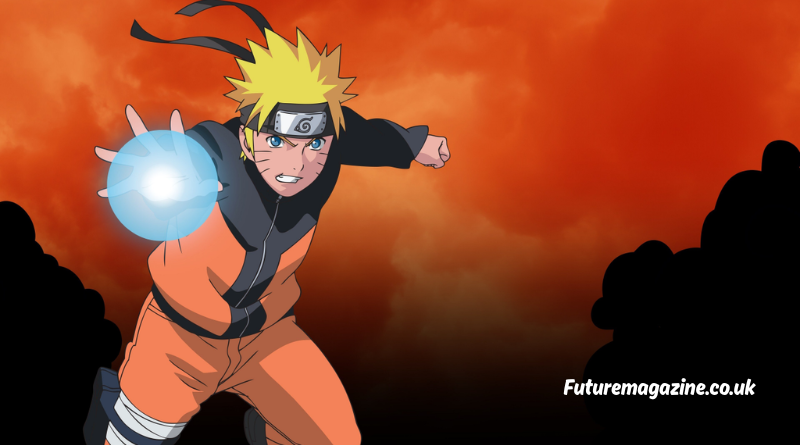
Narutas Viesulo Kronikos stands as a powerful narrative concept that blends mythology, discipline, personal growth, and the eternal struggle between destiny and free will. Often interpreted as a symbolic chronicle rather than a single linear story, Narutas Viesulo Kronikos represents the journey of an individual shaped by chaos, resilience, and purpose. The phrase itself evokes imagery of storms, inner strength, and an unfolding saga driven by both conflict and hope.
This chronicle has gained attention for its layered storytelling, philosophical undertones, and its ability to resonate with audiences across cultures. At its core, Narutas Viesulo Kronikos is not simply a tale of action or heroism; it is a reflection on identity, responsibility, and the transformation that occurs when an individual confronts adversity head-on.
This in-depth analysis explores the origins, thematic depth, character development, symbolic elements, narrative structure, and lasting influence of Narutas Viesulo Kronikos within modern storytelling traditions.
Origins and Conceptual Foundation
The roots of Narutas Viesulo Kronikos lie in the fusion of traditional mythic storytelling and contemporary narrative design. The term “viesulo,” often associated with whirlwinds or storms, symbolizes uncontrollable forces both external and internal. “Narutas” represents the central figure or archetype—an individual born into turbulence yet destined to shape order from chaos.
Rather than focusing on a single cultural origin, the chronicle draws inspiration from multiple traditions: Eastern philosophies of balance, Western heroic epics, and modern psychological storytelling. This blend allows the narrative to transcend geographical boundaries and appeal to a global audience.
At its foundation, Narutas Viesulo Kronikos explores one central question: can a person shaped by turmoil redefine their fate through discipline, empathy, and perseverance?
Narrative Structure and Storytelling Style
One of the defining strengths of Narutas Viesulo Kronikos is its multi-layered narrative structure. The chronicle is often presented in phases or arcs, each representing a stage of personal and ideological growth.
The Beginning: Chaos and Isolation
The early phase introduces Narutas as a figure surrounded by misunderstanding and inner conflict. The “viesulo,” or storm, is not merely a physical phenomenon but a metaphor for emotional instability and societal rejection. This stage establishes vulnerability, making the protagonist relatable and human.
The Middle: Training, Trials, and Awakening
The central portion of the chronicle focuses on discipline and learning. Narutas encounters mentors, rivals, and moral challenges that test not only physical strength but ethical conviction. This phase emphasizes the importance of self-control, patience, and reflection.
The Later Arcs: Responsibility and Legacy
As the story progresses, the focus shifts from personal survival to collective responsibility. Narutas begins to understand that true strength lies not in domination, but in protection, leadership, and sacrifice. The chronicle evolves into a meditation on legacy and long-term impact.
Character Development and Psychological Depth
Narutas is not portrayed as a flawless hero. Instead, the character’s appeal lies in gradual transformation shaped by failure, doubt, and learning.
Inner Conflict
Throughout the chronicle, Narutas struggles with identity. Being associated with the “viesulo” means carrying immense power, but also immense risk. The internal conflict between using power for personal validation versus collective good forms a recurring theme.
Growth Through Relationships
Secondary characters play a critical role in shaping Narutas’ worldview. Allies provide grounding, rivals offer motivation, and mentors impart wisdom. Each interaction contributes to the protagonist’s psychological evolution.
Moral Maturity
One of the most compelling aspects of Narutas Viesulo Kronikos is its emphasis on moral growth. Narutas learns that strength without compassion leads to destruction, while compassion without strength leads to vulnerability. The balance between the two defines true mastery.
Symbolism and Thematic Elements
Symbolism is central to the chronicle’s depth and longevity.
The Viesulo as a Metaphor
The whirlwind represents chaos, trauma, and uncontrollable circumstances. Over time, Narutas does not eliminate the storm but learns to navigate and channel it. This reflects a broader philosophical message: personal struggles do not disappear, but they can be transformed into sources of strength.
Light and Shadow
Recurring imagery of light and shadow emphasizes moral ambiguity. Characters are rarely purely good or evil. Instead, choices define alignment, reinforcing the idea that identity is shaped by action rather than origin.
Time and Patience
The chronicle frequently highlights the importance of time. Progress is slow, setbacks are inevitable, and mastery requires patience. This realistic portrayal of growth distinguishes Narutas Viesulo Kronikos from simplistic heroic narratives.
Philosophical Influences
Narutas Viesulo Kronikos incorporates several philosophical principles that elevate it beyond conventional storytelling.
Balance and Harmony
Inspired by philosophies that value equilibrium, the chronicle teaches that excess—whether emotional, physical, or ideological—leads to imbalance. True power is found in moderation and awareness.
Free Will Versus Destiny
Narutas is often told that his path is predetermined. However, the narrative consistently challenges this notion, suggesting that while circumstances shape us, choices define us.
Collective Responsibility
As the story evolves, the focus expands from individual growth to societal well-being. Leadership is portrayed not as authority, but as service.
Cultural Impact and Modern Relevance
The appeal of Narutas Viesulo Kronikos lies in its relevance to modern audiences. In an era defined by uncertainty, identity struggles, and rapid change, the chronicle offers a framework for resilience.
Inspiration for Personal Development
Many readers interpret Narutas’ journey as a metaphor for self-improvement. The emphasis on discipline, emotional intelligence, and ethical decision-making resonates with individuals navigating complex personal challenges.
Influence on Creative Media
The themes and narrative techniques found in Narutas Viesulo Kronikos have influenced modern storytelling across literature, digital media, and visual narratives. Its focus on character-driven plots and moral complexity aligns with contemporary audience expectations.
Cross-Cultural Resonance
Because the chronicle avoids rigid cultural boundaries, it connects with diverse audiences. Its universal themes of struggle, growth, and hope make it adaptable to various interpretations and formats.
Narrative Complexity and World-Building
The world within Narutas Viesulo Kronikos is crafted with intentional depth. Societies, traditions, and conflicts are not mere backdrops but integral elements that shape character decisions.
Political tensions, ideological divisions, and historical context add realism to the narrative. These elements ensure that conflicts are not simplistic battles of good versus evil, but nuanced struggles shaped by perspective and consequence.
Lessons and Takeaways
Several enduring lessons emerge from Narutas Viesulo Kronikos:
- Strength is developed, not inherited.
- Emotional control is as important as physical ability.
- Adversity can be transformed into purpose.
- Leadership requires empathy and accountability.
- True legacy is measured by positive impact on others.
These lessons contribute to the chronicle’s lasting value and educational significance.
Future Interpretations and Longevity
The open-ended nature of Narutas Viesulo Kronikos allows for continual reinterpretation. As societal values evolve, new perspectives can be applied to the chronicle’s themes without diminishing its core message.
This adaptability ensures longevity, allowing future generations to find relevance and inspiration within the narrative framework.
Conclusion
Narutas Viesulo Kronikos is more than a story—it is a philosophical journey that examines identity, resilience, and the power of conscious choice. Through layered storytelling, symbolic depth, and psychological realism, the chronicle offers a compelling exploration of what it means to grow in the face of chaos.
Its emphasis on balance, responsibility, and transformation positions it as a meaningful narrative for modern audiences seeking depth beyond surface-level entertainment. As a chronicle of storms and strength, Narutas Viesulo Kronikos continues to stand as a testament to the enduring human capacity for growth, understanding, and purposeful action.
 ENGRNEWSWIRE