
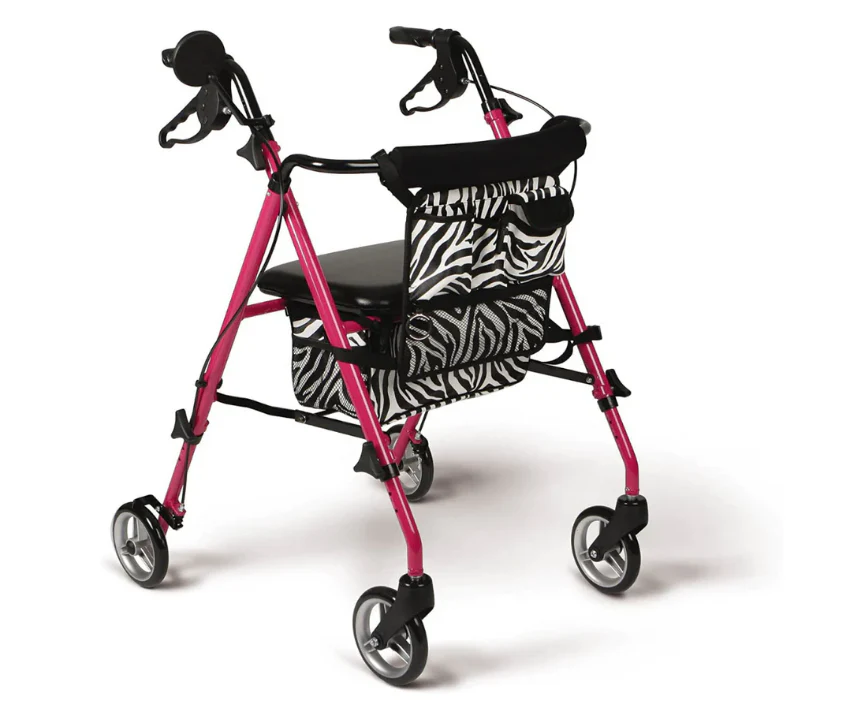
The demand for efficient and comfortable mobility solutions has been on the rise as populations age and seek to maintain their independence. Traditional rollators have long provided valuable support for those who require assistance when walking, but with the advent of technological advancements, a new chapter in mobility aids is being written. This change is spearheaded by the introduction of the electric rollator, a device that combines convenience and innovation to grant users a greater degree of freedom and autonomy.
The Emergence of Electric Rollators
Electric rollators are an evolutionary step beyond their manual counterparts, offering users the benefits of powered assistance alongside the standard features of a walker. With built-in motors, these modern mobility aids are designed to alleviate the physical strain associated with pushing a rollator, particularly over longer distances or uneven terrains. This advancement ensures that individuals who might have been limited by their strength or endurance can now venture out with confidence.
The Impact on Quality of Life
The functionality provided by an electric rollator cannot be overstated. For many, the sense of independence that comes from being able to move freely is intrinsically linked to their quality of life. With an electric rollator, users are no longer confined to their immediate surroundings, expanding their ability to engage with the community and partake in social activities without relying heavily on external assistance.
Moreover, these devices support a more active lifestyle, which is vital for maintaining physical health. Regular exercise, even in the form of walking, is crucial for cardiovascular health, muscle strength, and overall well-being. Electric rollators remove barriers to such activities, empowering users to maintain a healthier, more fulfilling life.
Features and Design of Electric Rollators
The design of electric rollators is centred around user-friendliness and safety. Ergonomic handles, intuitive controls, and adjustable components are all part of the user-centric approach that manufacturers adopt. The electric motor is carefully integrated into the frame so as not to impede the rollator’s functionality as a walking aid, ensuring that the unit remains stable and easy to manoeuvre.
Battery life is a key consideration, and current models offer enough power to last through several outings before requiring a recharge. This reliability is crucial for users who depend on their rollator for daily tasks and errands. Furthermore, the inclusion of safety features such as brakes, reflective elements and lights increase visibility and prevent accidents, particularly important in low-light conditions.
Accessibility and the Community
The introduction of electric rollators aligns with a broader societal push towards increased accessibility. Urban planning and public spaces increasingly account for the needs of individuals with limited mobility. These enhancements, combined with the right mobility aid, can dramatically improve one’s engagement with the world.
With the rise of electric rollators, many users who once found it difficult to navigate these spaces are rediscovering their confidence. From shopping centres to public parks, the combined efforts of improved infrastructure and innovative mobility solutions are enabling fuller participation in everyday life.
Challenges and Future Developments
Despite the benefits offered by electric rollators, challenges remain in terms of cost and coverage. As these devices are relatively new to the market, they can be an investment. It is essential that manufacturers and health care providers work together to ensure that electric rollators are both affordable and included in mobility aid coverage options, thereby making them accessible to a wider range of individuals who could benefit from them.
Future developments in electric rollators are likely to include enhanced interactivity, such as integration with smartphone applications to monitor health metrics or navigate through GPS. The potential for these devices to not only assist with physical mobility but also serve as health monitoring tools is significant, opening the doors to an interconnected approach to health and well-being.
Choosing an Electric Rollator
For those considering an electric rollator, the selection process should be thorough. It is important to assess the features of various models, considering factors such as weight capacity, battery life, ease of folding for transport, and the availability of accessories. Working with a trusted provider can ensure that the choice made best suits the individual’s lifestyle and mobility needs.
The Vision for a Mobile Future
The rise of electric rollators symbolises a step towards a future where mobility challenges are comprehensively addressed through technology and innovation. By empowering individuals to move more freely and safely, these advanced mobility aids not only enhance the lives of their users but also contribute to a more inclusive society.
It’s clear that electric rollators are more than just a passing trend; they represent a permanent shift in the landscape of mobility solutions. As we look to the future, ongoing refinement and technological integration will further cement their role as indispensable tools for achieving a mobile and autonomous life.
In conclusion, the introduction of the electric rollator to the market of mobility aids marks a significant milestone in the development of technologies designed to improve the lives of individuals with limited mobility. By combining traditional functionality with modern conveniences, electric rollators offer a new level of independence, encouraging users to engage fully with the world around them. As this revolutionary mobility solution gains popularity, it holds the promise of a more accessible and inclusive world for all.
 ENGRNEWSWIRE