
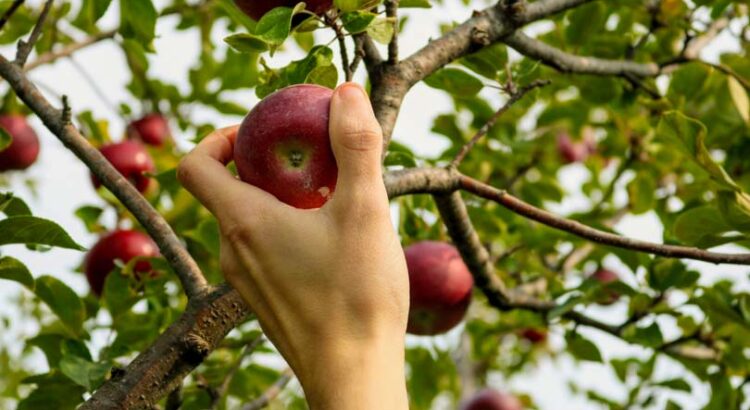
Gardening by the sea presents specific challenges that shape every planting decision. Coastal winds carry salt, soils can be sandy or shallow, and weather patterns often fluctuate between mild winters and blustery springs. For apple growers, these factors influence blossom survival, pollination success and fruit quality. Choosing the right variety is therefore more important near the coast than in sheltered inland gardens.
Many householders searching to buy fruit trees focus first on flavour or harvest season. In coastal areas, however, resilience must sit alongside taste. Trees need to tolerate wind exposure, cope with occasional salt-laden air and perform reliably in lighter soils. A well-chosen apple tree can thrive in these conditions, offering dependable crops and long-term value.
The fruit trees specialists at https://www.fruit-trees.com/ note that rootstock choice and site preparation are just as significant as variety. They advise gardeners to consider wind protection, soil improvement and suitable staking in exposed plots. In their view, selecting robust dessert and dual-purpose apples from a reputable nursery helps ensure better establishment and cropping. Their range of apple trees includes varieties suited to challenging British conditions, and they emphasise that coastal gardeners should prioritise disease resistance and reliable flowering in variable springs.
This article sets out six apple varieties recommended by a British fruit tree supplier for coastal gardens. Each has shown consistent performance in exposed or maritime areas across England, Wales and parts of Scotland. The focus is on practical suitability rather than novelty, offering options for both experienced growers and those planting their first tree.
Coastal Conditions and Apple Tree Requirements
Before selecting a specific apple, it is worth understanding what makes coastal gardening distinct. Wind is often the most visible factor. Persistent breezes can damage blossom, reduce pollinator activity and cause young fruit to drop. Strong gusts may also loosen roots if trees are not firmly staked during their early years. Salt in the air, while rarely catastrophic inland, can scorch leaves in highly exposed seafront positions.
Soil conditions vary widely along Britain’s coastline. In some eastern and southern areas, sandy soils drain quickly and can lack nutrients. In parts of the west and north-west, heavier soils combined with high rainfall create different challenges, including waterlogging. Apples generally prefer well-drained, fertile soil with a neutral to slightly acidic pH. Coastal gardeners often need to incorporate organic matter regularly to maintain structure and fertility.
Another key consideration is temperature moderation. Coastal climates are often milder in winter, reducing the risk of extreme frost damage. However, spring winds can chill blossom and affect pollination. Choosing varieties with reliable flowering and some tolerance of cooler, unsettled conditions improves the likelihood of a good crop.
Disease resistance is equally important. Damp sea air can increase humidity, encouraging scab and mildew in susceptible varieties. Modern cultivars with built-in resistance reduce reliance on sprays and simplify maintenance. For gardeners aiming to buy fruit trees for a low-input coastal plot, this resilience can make the difference between steady cropping and repeated disappointment.
Rootstock selection should not be overlooked. In windy sites, semi-dwarfing stocks such as MM106 or more vigorous options may provide better anchorage than very dwarfing types. While smaller trees suit compact gardens, they require careful staking and ongoing support in exposed positions. Balancing size, stability and productivity is central to long-term success.
Discovery: A Reliable Early Season Choice
Discovery is widely regarded as one of the most dependable early dessert apples for British gardens. Bred in Essex, it has demonstrated consistent performance in a range of climates, including coastal regions where spring conditions can be unsettled. Its early flowering is generally robust, and it tends to set fruit well even when pollinator activity is briefly reduced by wind.
The fruit ripens from late August into early September, producing bright red apples with crisp, juicy flesh. Flavour is fresh and slightly strawberry-like when picked at peak ripeness. For coastal gardeners keen to extend their harvest season, Discovery provides an early crop before many main-season varieties mature.
One reason Discovery suits maritime areas is its relatively compact growth habit combined with good disease resistance. It shows reasonable tolerance to scab and mildew compared with many older cultivars. This is valuable in damp coastal air, where fungal diseases can take hold quickly if airflow is restricted.
In windy plots, Discovery benefits from careful initial staking. Once established, it forms a manageable tree that responds well to routine pruning. Because it fruits on spurs, shaping can be straightforward, making it accessible to less experienced gardeners.
Soil improvement remains essential. In sandy coastal ground, adding compost or well-rotted manure each spring helps maintain vigour and fruit size. Mulching also conserves moisture during dry, breezy spells. Discovery’s adaptability means it can succeed where more demanding varieties might struggle.
For families or those new to apple growing, Discovery offers a practical starting point. Its combination of flavour, reliability and moderate growth makes it particularly suitable for exposed British gardens close to the sea.
James Grieve: Proven Performance in Variable Climates
James Grieve has long been valued for its adaptability. Originating in Scotland, it is well accustomed to cooler, windier conditions, which makes it an excellent candidate for coastal settings throughout Britain. It is often described as a reliable dual-purpose apple, suitable for both eating fresh and light cooking.
The fruit typically ripens in September. When harvested slightly early, it has a sharper flavour that works well in the kitchen. Left to mature fully, it develops a sweeter, aromatic character. This flexibility appeals to gardeners seeking one tree that can serve multiple uses.
In exposed gardens, James Grieve’s steady cropping is a significant advantage. It tends to flower reliably and sets fruit even after cooler springs. While not immune to disease, it shows reasonable resistance and is generally less troublesome than many traditional dessert apples.
The tree itself can be moderately vigorous, especially on stronger rootstocks. In coastal winds, this vigour helps establish a stable framework. Pruning should aim to maintain an open canopy, improving airflow and reducing the risk of fungal issues in humid sea air.
James Grieve also works well as a pollinator for other mid-season apples. In smaller coastal gardens where space may limit planting to two or three trees, selecting varieties with overlapping flowering periods ensures consistent fruit set. Including James Grieve within such a mix increases overall reliability.
For gardeners who want a dependable, adaptable apple with a long track record across Britain, James Grieve remains a sound choice for maritime conditions.
Egremont Russet: Tolerance and Distinctive Flavour
Egremont Russet stands out for its distinctive rough, golden-brown skin and nutty flavour. Beyond its appearance and taste, it has characteristics that suit coastal gardens. Russeted varieties are often noted for a degree of tolerance to less-than-ideal conditions, and Egremont Russet is no exception.
It ripens in late September and can store for several weeks under cool conditions. The flesh is firm, sweet and aromatic, making it a popular dessert apple for those who appreciate traditional British flavours. In windy coastal plots, its thicker skin can offer slight protection against minor abrasion compared with smoother-skinned varieties.
Egremont Russet is generally compact in growth, which suits smaller gardens and sheltered corners near the coast. While it benefits from some protection during establishment, it can perform well once rooted securely. As with other apples in exposed areas, sturdy staking in the first few years is advisable.
Disease resistance is moderate, and good pruning practice is important. Maintaining an open structure reduces humidity within the canopy, particularly in areas where sea mists linger. Mulching and balanced feeding encourage steady growth without excessive soft shoots that are more vulnerable to wind damage.
For gardeners interested in heritage character and reliable cropping, Egremont Russet provides a practical and flavourful option. Its proven history in British orchards supports its inclusion among the best choices for coastal settings.
Sunset: Compact and Well-Suited to Smaller Coastal Gardens
Sunset is often recommended for smaller gardens, including those along the coast where space and shelter may be limited. Sometimes described as resembling Cox in flavour but easier to grow, it offers a balance of sweetness and acidity that appeals to many households.
Ripening in late September to early October, Sunset produces attractively coloured red-and-yellow fruit. Its relatively compact habit makes it manageable in tighter plots or as part of a mixed planting scheme with other fruit trees and wind-tolerant shrubs.
For coastal growers, Sunset’s dependable cropping and moderate disease resistance are key strengths. While it appreciates a reasonably sheltered site, it can cope with light to moderate exposure if well supported during its early years. Careful positioning, such as planting near a hedge that filters rather than blocks wind, can significantly improve performance.
Sunset benefits from fertile, well-drained soil. In sandy coastal ground, incorporating organic matter annually will sustain fruit size and overall health. Regular watering during prolonged dry spells is also important, as breezy conditions can increase moisture loss from both soil and foliage.
Because Sunset flowers in mid-season, it pairs well with varieties such as James Grieve for pollination. Thoughtful combination planting increases resilience against unpredictable spring weather. For coastal gardeners seeking a compact, flavourful apple that does not demand excessive attention, Sunset represents a practical and rewarding option.
Falstaff and Katy: Modern Reliability for Exposed Sites
Falstaff and Katy are modern introductions that have gained popularity for their reliability and disease resistance. Both are well suited to British conditions and can perform effectively in coastal gardens where traditional varieties sometimes struggle.
Falstaff is a mid-season dessert apple known for heavy cropping and good resistance to scab and mildew. The fruit is crisp and well balanced in flavour, and the tree often fruits at a young age. In exposed plots, its sturdy growth and consistent performance make it a dependable choice. Thinning may be required in heavy-cropping years to maintain fruit size and prevent branch strain in windy conditions.
Katy, an early-season apple ripening around late August, is valued for its bright red colour and juicy, refreshing taste. It tends to crop reliably and is generally straightforward to grow. In coastal areas with milder winters, Katy’s early harvest can avoid some of the autumn gales that affect later varieties.
Both trees benefit from strong staking and thoughtful siting during establishment. As with all coastal planting, improving soil structure and ensuring adequate nutrition are central to success. A balanced fertiliser in spring, combined with organic mulches, supports healthy growth without encouraging excessive, wind-prone shoots.
For gardeners looking to buy fruit trees that combine modern breeding with practical resilience, Falstaff and Katy offer reassurance. Their disease resistance reduces maintenance demands, and their dependable cropping helps offset the uncertainties of maritime weather.
In coastal Britain, apple growing is entirely achievable with informed selection and careful preparation. By choosing varieties such as Discovery, James Grieve, Egremont Russet, Sunset, Falstaff and Katy, gardeners can create productive trees that withstand wind, variable springs and lighter soils. Matching the right apple to the right site remains the most effective strategy for long-term success by the sea.
 Edward
 admin
admin
 Social SEO Agency