
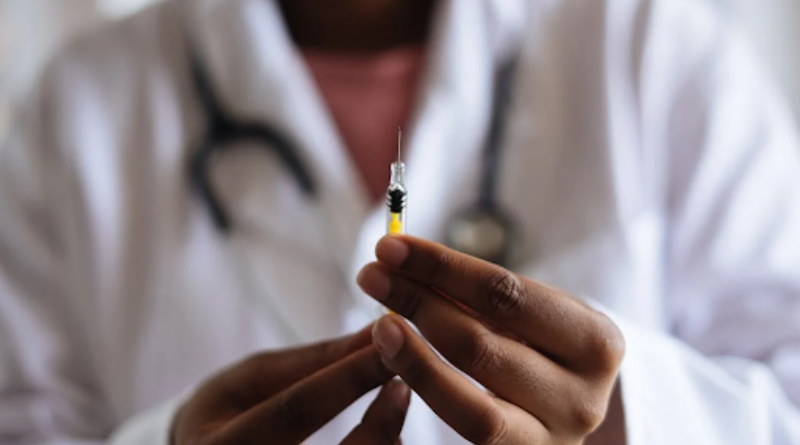
Innovative regenerative medicine transforms healing. It revolutionises healthcare and therapy by focusing on the body’s innate ability to repair, regenerate, and restore tissues and organs. Regenerative medicine uses stem cells, tissue engineering, and molecular biology to speed healing instead of invasive operations or long-term medication. This field solves chronic diseases and injuries that were previously untreatable.
Cell-based therapy is a leading field of regenerative medicine that uses the body’s biological capabilities to mend. Platelets and growth factors help mend tissues, especially with PRP treatments. This new approach is demonstrated in P shot treatments in London, which regenerate tissues with PRP. Recent advances show that regenerative therapies, particularly for physical degeneration, are gaining popularity worldwide.
Harnessing stem cell power
Stem cell research advances regenerative medicine with previously unthinkable options. Stem cells may differentiate into any cell in the body, giving them a powerful treatment for Parkinson’s disease, spinal cord injuries, heart illnesses, and even cancer. Stem cells are being studied to replace or repair damaged tissues, which could lead to organ regeneration.
While the science is still developing, clinical trials and experimental treatments have shown promise in bone, cartilage, and skin regeneration. Stem cells can repair damage and reverse degeneration, giving chronically ill and injured people hope. Researchers will likely extend stem cell applications in medicine, making once-intractable illnesses treatable with regenerative therapies.
Tissue engineering, 3D bioprinting
Another groundbreaking regenerative medicine field is tissue engineering and 3D bioprinting. Creating fully functional tissue in a lab could eliminate organ shortages and transplant donors. Researchers created artificial skin, bone, and cartilage, which might be used to build the heart, liver, and kidneys.
3D bioprinting can create custom-designed tissues that fit the patient’s body, utilising biocompatible materials and living cells. This reduces rejection and problems from typical organ transplants. This technique could revolutionise healthcare by enabling life-saving organ transplants without waitlists or immunological rejection. The ethical, regulatory, and scientific challenges remain, but tissue engineering advances predict a future without organ shortage.
Ethics and future prospects
As with any fast-growing medical profession, regenerative medicine involves ethical concerns. Stem cells, especially embryonic stem cells, are controversial. The medical community must address ethical issues concerning stem cell sources and cloning. The exorbitant expense of regeneration treatments raises problems about accessibility and the growing gap between those who can afford cutting-edge therapy and those who cannot.
Regenerative medicine has a bright future. Scientists use gene editing tools like CRISPR to control cellular systems to improve tissue regeneration and mutation repair. Personalised medication suits each patient’s genetics and offers better results with fewer side effects.
Conclusion
Regenerative medicine could transform healthcare. Using the body’s natural healing processes to restore function is a paradigm shift in treatment. Through stem cell therapy and 3D bioprinting, regenerative medicine gives hope to chronic disease, injury, and degenerative disease sufferers. While ethical and accessibility issues must be addressed, this sector has great potential. Regenerative medicine promises a new era of healing where traditional treatments are overcome, and patients can look forward to better, more rewarding lives as science advances.